
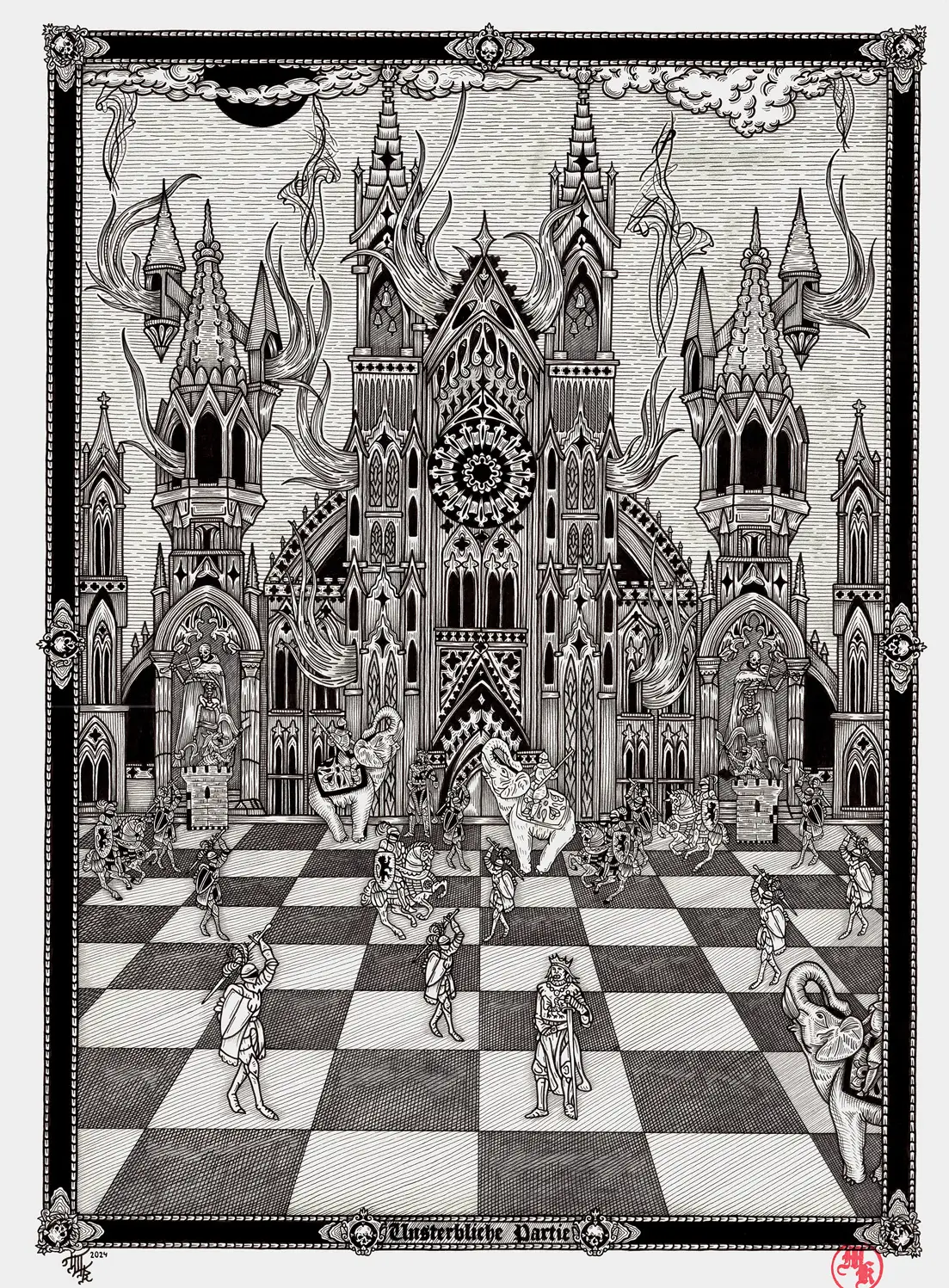
The Immortal Game
The Immortal Game is one of the most famous chess games ever played, renowned for its brilliance and creativity, and is considered one of the prime examples of Romantic chess.
It was played on June 21, 1851, between Adolf Anderssen and Lionel Kieseritzky in London. Anderssen, a leading chess master of his time, sacrificed many of his pieces, including both rooks and his queen, to deliver a stunning checkmate against Kieseritzky, who was also a strong player.
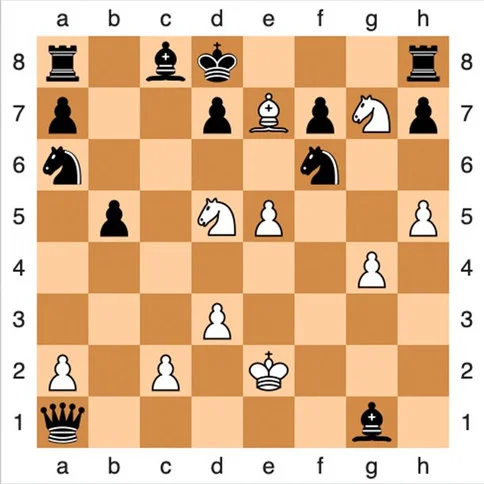
The game is called the "Immortal Game" because of its enduring fame and the sacrifices made by Anderssen, which seemed to defy conventional wisdom at the time. The final position of the game is often used as a teaching example to illustrate the power of initiative, tactical vision, and sacrificial play in chess.
The Immortal Game is cherished by chess enthusiasts and has been analyzed and celebrated for its strategic depth and aesthetic beauty for over a century. It serves as an inspiration for many players to this day, showcasing the potential for creativity and daring in chess.